
From Fear to Fabricated Testimony
Guantanamo DiaryThis flow traces how the interrogation system’s demand for incriminating information turned Slahi from a cooperative interviewee into a source of coerced false statements.
increasing Bearing strength in each event
 decreasing
Bearing strength in each eventdecreasingThe Promise of Release
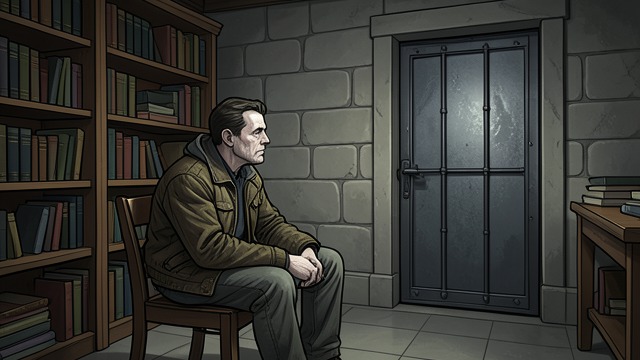
Cooperation as Hope
Early Assurances
At Bagram and early in Guantánamo, interrogators told Slahi that truthful cooperation could lead to release or a safe return. He believed his account would be checked and his innocence recognized.
A Willing Interviewee
He answered questions about his life and contacts, sometimes repeatedly. He hoped that openness would distinguish him from people who had actually committed crimes.
The Promise Fades
The same questions returned without a clear decision or charge. Cooperation became an open-ended obligation rather than a path to resolution.
The Demand for a Smoking Gun
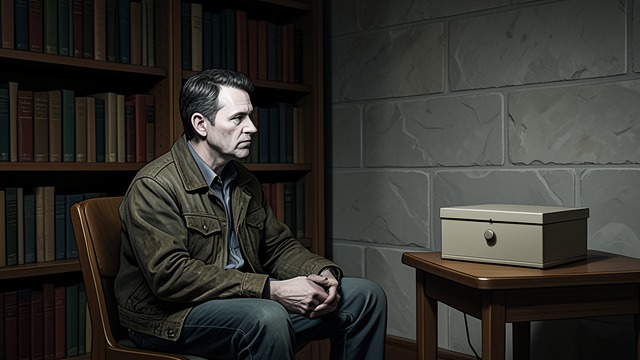
Suspicion Expands
Association as Evidence
Interrogators asked about people Slahi knew, met, or had encountered through mosques and travel. They treated familiarity as a reason to suspect participation in a larger network.
Impossible Boundaries
Slahi argued that knowing someone was not a crime and that he could not explain what he did not know. Officials continued to demand details about other people rather than identify a clear act by him.
A Wider Trap
Each unproven suspicion led to another line of questioning. The lack of a fixed accusation made it difficult for Slahi to know what answer could end the process.
Pressure Replaces Dialogue
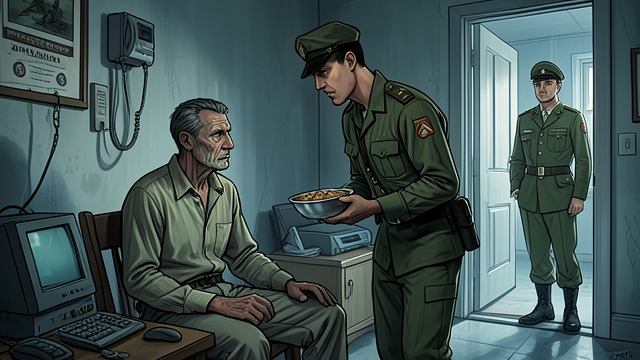
A New Interrogation Logic
Military Takeover
After the FBI’s departure, military interrogators increasingly treated Slahi’s denials as signs of deception. He faced threats, cold exposure, sleep loss, and humiliating treatment.
Comfort as Leverage
Food, sleep, medication, and ordinary conversation were presented as rewards for cooperation. The system turned basic needs into bargaining tools.
The Choice Narrows
Slahi describes reaching a point where he no longer believed that truth would protect him. His options appeared to be continued suffering or statements that pleased his interrogators.
Inventing Other People’s Guilt

False Information Spreads
Written Assignments
Interrogators asked Slahi to write about acquaintances and to produce damaging information. He says he supplied false allegations about people he barely knew because he had learned that “I don’t know” would not be accepted.
Moral Injury
He worried that his words could harm innocent people. At the same time, he believed that refusing would bring more pain and could prolong his own detention.
A Systemic Effect
The testimony demonstrates how coercion could generate a growing archive of claims, each appearing to support the next. The process made it harder to distinguish intelligence from compliance.
Confession and Polygraph

Contradictions Become Visible
A Dramatic Admission
Slahi’s written account of a Toronto bombing plan delighted some interrogators, who treated its detail as a breakthrough. Slahi later disclosed that the scenario was not true.
Testing the Story
A polygraph examination followed, and later accounts describe results that did not indicate deception on key questions. The test did not immediately end his detention, but it complicated the credibility of the confessions.
Reliability in Question
The episode exposes the gap between a confession produced under pressure and independently reliable evidence. A statement can become more elaborate as coercion intensifies without becoming more truthful.
August–September 2002
2002–2003
Summer 2003
Fall 2003
Late 2003–2004
